SIA Licence 2026: Requirements, Application, Cost, Renewal & Checks

SIA Licence is required for many people working in the UK private security industry, including security guards, door supervisors, CCTV operators and close protection officers. If you are planning to apply for an SIA in 2026, it is important to understand the eligibility requirements, required training, application process, fees, criminal record checks and renewal rules.
The Security Industry Authority (SIA) checks your identity, qualifications, criminal record, right to work and other relevant information before deciding whether to grant a licence. Applicants must generally be aged 18 or over, and front-line roles require the appropriate licence-linked qualification.Visit our homepage for more information Click Here.
What Is an SIA Licence?
An SIA Licence is a licence issued by the Security Industry Authority (SIA) that allows individuals to legally work in certain private security roles in the UK. If your job involves protecting people or property, preventing theft, controlling access, or providing security services, you may need an SIA Licence before you can work legally.
The SIA Licence 2026 system covers several types of security work, including security guarding, door supervision, CCTV operation, close protection, and public space surveillance. The type of licence you need depends on the security role you intend to perform.
To obtain an SIA Licence, applicants generally need to meet the eligibility requirements, complete the appropriate approved training, and pass the relevant checks carried out by the SIA. Once approved, the licence confirms that you are authorised to perform the relevant regulated security activity.
An SIA Licence is normally valid for three years, after which you need to apply for renewal if you want to continue working in a licensable security role. It is important to keep your personal details up to date and check your licence status throughout its validity period.
Whether you are starting a career in private security or renewing an existing licence, understanding SIA Licence requirements, application steps, costs, renewal rules and security checks can help you complete the process correctly and avoid unnecessary delays.
Who Can Apply for an SIA Licence?
The minimum age for an licence is 18. If you’re under 18, you cannot apply for a licence.
The SIA also checks your background before deciding whether to grant a licence. As part of the process, you may be asked to provide information about relevant criminal convictions and any compulsory detention under the Mental Health Act within the previous five years.
A previous conviction does not automatically mean that your application will be refused. The SIA reviews the information as part of its licensing checks before making a decision.
You’ll also need to complete the training required for the particular licence you want. Previous experience in security or another related job does not remove the requirement to undertake the relevant SIA training.
Which Training Do You Need?
The course you need depends on the type of security role you plan to take up.
Some of the main SIA categories include:
The training is designed to give you the practical knowledge and skills needed for security work. Depending on the licence, your course may cover areas such as conflict management, communication, emergency procedures, fire safety, health and safety, searching, citizens’ arrest, incident reporting and preserving crime scenes.
Training can also include information about developments affecting the security industry, including Martyn’s Law.
After successfully completing your course, you’ll receive a certificate from your training provider. You can then move forward with your licence application.
How to Apply for an SIA Licence

The SIA application process is fairly straightforward when you know what to expect. You’ll need to complete the appropriate training, create an online application, provide the requested information, complete the necessary checks and pay the licence fee.
Here’s what the process involves.
1. Decide Which SIA Licence You Need
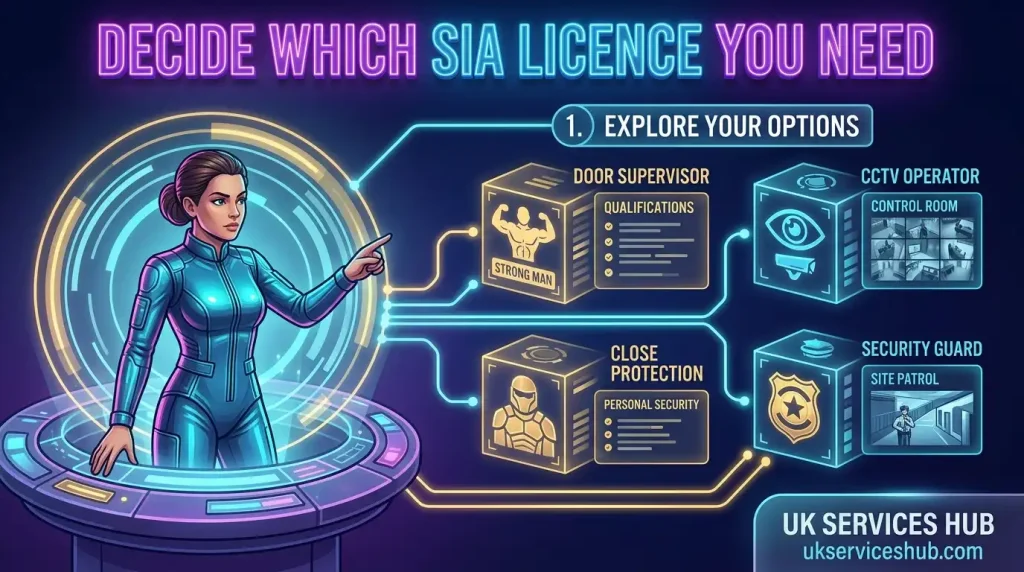
Start by identifying the licence that matches the job you want to do.
Choosing the correct category is important because the training and requirements can differ between licences.
2. Complete the Required Training

Before you apply, you’ll need to complete the training for your chosen licence.
Your training provider will normally guide you through the course requirements. Once you have passed, make sure you receive and keep your training certificate, as you’ll need it when progressing with your application.
3. Set Up Your SIA Account

Your application is completed through the SIA online licensing portal.
You’ll need to create an account and provide your personal information. Use an email address that you regularly check because important updates about your application may be sent there.
Before moving on, check that the details you’ve entered are accurate.
4. Enter Your Personal and Background Information
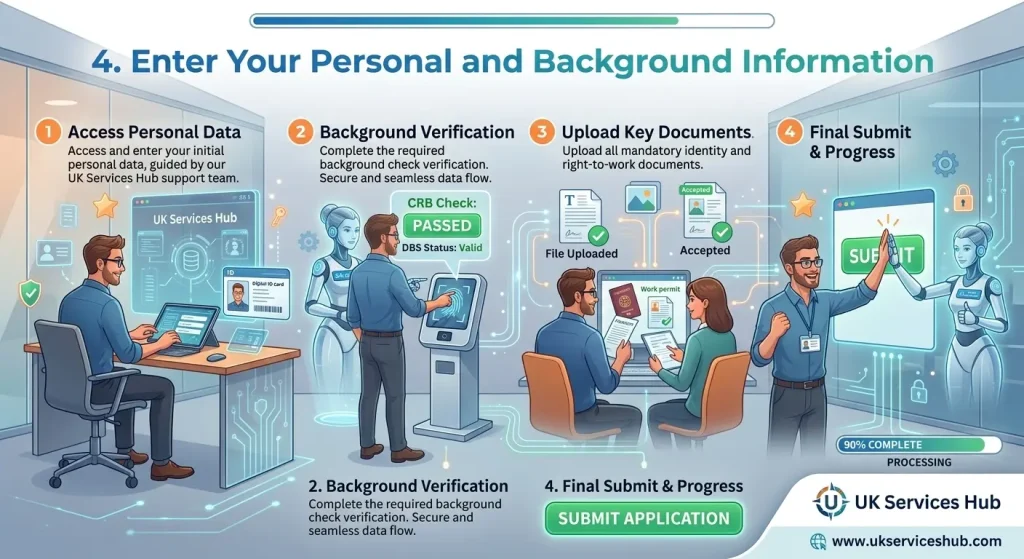
The SIA needs information about you so it can carry out the necessary identity and background checks.
This can include:
Take care when completing this section. Incorrect or incomplete information can cause unnecessary delays.
5. Complete the Necessary Checks
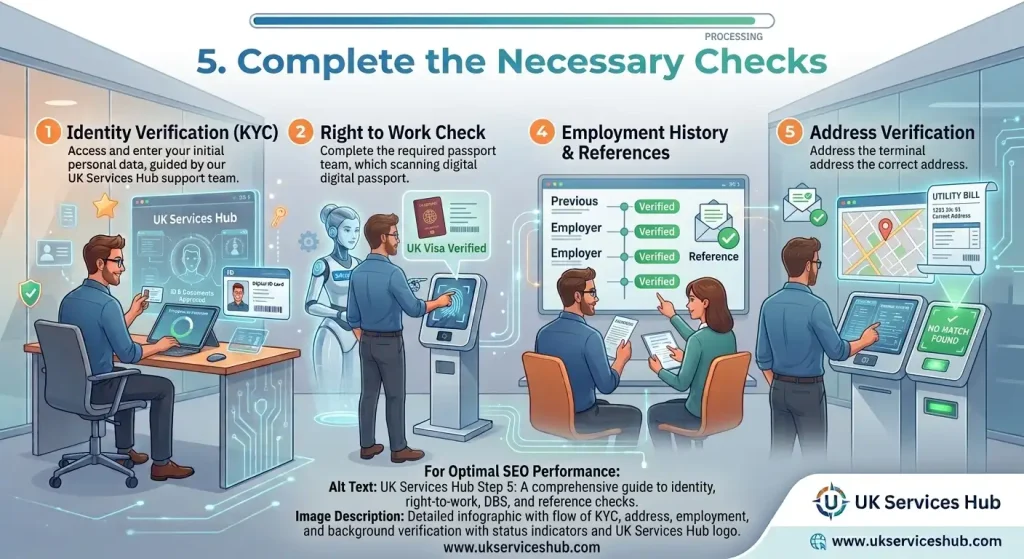
Once your application is under way, the SIA will carry out the relevant checks.
These may include:
If the SIA asks you for additional documents, provide them as soon as you can to avoid holding up the application.
6. Review and Submit Your Application
Before pressing submit, go through the application one more time.
Check that:
It’s much better to spend a few extra minutes checking your application than to discover an avoidable mistake later.
7. Pay the SIA Licence Fee
You’ll need to pay the applicable SIA licence fee as part of the application process.
Licence fees can change, so check the current fee when you’re ready to apply rather than relying on an old figure.
8. Keep an Eye on Your Application
Once your application has been submitted, keep checking your SIA account and registered email address.
You can use your account to monitor progress and should respond promptly if the SIA asks you for additional information or documentation.
9. Wait for the Licence to Be Granted
The SIA will complete its checks before making a decision on your application.
One point is particularly important: submitting an application does not mean that you are already licensed.
You need to wait until the SIA has granted your licence before carrying out regulated security work where an licence is required.
SIA Licence Application: Final Checklist
Before you begin, make sure you’re ready with the following:
Once you’ve worked through these steps, you’ll know what stage your application has reached and what, if anything, you still need to do. Most importantly, remember that you should wait for the SIA to
What Do You Need for an SIA Licence Application?
Once you’ve completed the required training, you can apply through the official SIA online licensing portal.
It’s worth preparing your information before you start. The application can take more than 20 minutes, so allow enough time to complete it carefully rather than rushing through the process.
You may need to provide:
The SIA carries out the relevant background checks as part of the application, including a Disclosure and Barring Service (DBS) check.
If further evidence is required, you can submit photographs or scanned copies of supporting documents through the online application system.
Check Your Details Before Applying
Take a few minutes to review everything before you submit your application. Providing incorrect or false information can lead to delays and could affect the outcome of your application.
How Much Does an SIA Licence Cost?
The current first-licence fee in the supplied source is £184. This covers the SIA itself and is separate from the cost of your training.
Your overall cost will therefore depend on which security qualification you choose. The training figures provided in the source are approximate:
| Licence type | Approximate training cost | SIA licence cost |
|---|---|---|
| Security Guard | £200 | £184 |
| Door Supervisor | £240 | £184 |
| Close Protection | £2,000 | £184 |
For example, someone taking Door Supervisor training would spend approximately £424 when the estimated £240 training cost is combined with the £184 first-licence fee.
What If You Need More Than One SIA Licence?
The SIA cost for additional licences is lower. If you already hold an licence, subsequent licences receive a 50% discount, reducing the fee from £184 to £92.
The source also notes that the Vehicle Immobilisation licence in Northern Ireland is an exception, although the supplied content ends before giving further details about that exception.osts £184.
Can You Get Help With the Cost of an SIA Licence?
Paying for security training and licensing can be difficult if you’re currently unemployed or changing careers. Depending on your circumstances, you may be able to find funding that helps with some of these costs.
Some employment and education schemes provide funded SIA training for eligible unemployed people. In some cases, security companies may also help employees pay for training or gain additional SIA qualifications.
Funding rules vary, so don’t assume that you’ll qualify. Check the requirements of the particular scheme or employer before including financial support in your plans.
How Long Does an SIA Licence Remain Valid?
An SIA licence normally lasts for three years. If you intend to continue working in a regulated security role, it’s important to keep an eye on the expiry date and start preparing for renewal in good time.
You can apply to renew your licence up to four months before it expires. Applying early gives you time to complete any additional training, provide documents or deal with further checks if they’re required.
The SIA renewal fee is £184.
There’s also an important point about renewing early: any remaining time on your current licence is carried over to the new licence. You therefore don’t lose the unused period simply because you renew before the expiry date.
What Do You Need to Renew an SIA Licence?
The renewal process includes checks similar to those carried out when you first apply. Depending on the type of licence you hold and any changes to the requirements for your role, you may also have to complete additional or top-up training.
Top-up training helps licensed security professionals stay up to date with changes that affect their work. For instance, compulsory first-aid training became part of the SIA requirements in April 2021.
Don’t leave renewal until the last few weeks. Checking what you need well before your licence expires gives you more time to deal with anything that could hold up the process.
How Can You Check an SIA Licence?
Knowing how to check an licence can be useful for security professionals, contractors and employers.
Licence checks help confirm that a security worker has a valid licence and is authorised to carry out the type of regulated security work they have been hired to perform. Employers should check that the licence is both current and suitable for the duties involved.
Checking your own licence is useful too. It allows you to confirm your current status and gives you a chance to start preparing for renewal before your licence expires.
SIA Licence Application Checklist
Before you submit your application, run through the following checklist:
A little preparation can make the application process much smoother.
Important Things to Remember About SIA Licensing
Completing your security training doesn’t automatically make you an SIA-licensed security professional. You still need to submit your licence application, complete the required checks and wait for your licence to be granted before carrying out regulated security work that requires an licence.
It’s equally important to apply for the licence that matches the work you want to do. A Security Guard licence and a Door Supervisor licence cover different roles, while Close Protection has its own specialist training requirements.
Keep your expiry date in mind as well. licences normally last three years, and preparing your renewal early can help prevent unnecessary interruptions to your work.
Frequently Asked Questions About SIA Licences
Conclusion
Getting an SIA is an important step if you want to work in the UK private security industry. From choosing the right SIA training course to completing your application and background checks, each stage needs to be completed correctly before you can legally carry out regulated security work.
Understanding the SIA licence requirements can help you avoid delays and make the application process easier. You’ll need to be at least 18, complete the appropriate training, provide the required information and documents, pass the relevant checks, and pay the SIA fee. Remember that completing your training course does not mean you are automatically licensed—you must wait until the SIA grants your licence before starting regulated work.